








Crusher Clicker
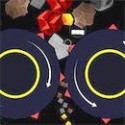
You click the boulder as it drops into the press, and it splits into a dusty cluster of smaller rocks that bounce down the conveyor belt toward the coin counter. In Crusher Clicker, that one motion - click, crush, collect - is the entire game at first, repeated until a simple rock-smashing hobby turns into a running industrial operation. It is a browser-based idle clicker built around a single hydraulic press, and almost everything else in the game exists to make that press work faster, harder, and eventually without you.
| Genre | Idle / Incremental Clicker |
|---|---|
| Core Action | Clicking falling rocks to crush them |
| Currency | Coins |
| Key Upgrades | Power, Speed, Gearbox, Efficiency Boost |
| Material Range | 50+ tiers, from soft rock to titanium and alloy |
Power, Speed, and Gearbox: The Core Upgrades of Crusher Clicker
Every run of Crusher Clicker starts the same way: a rock falls, you click it, it chips down in size, and once it is small enough it tips onto the conveyor belt for a payout. The coins from those early clicks go straight back into three stats that define how the press behaves. Power increases how much crushing force each hit carries, which matters most against the denser material tiers that refuse to budge under a weak press. Speed increases how quickly the crusher spins, which is less about force and more about how many rocks you can process in a given stretch of time. Gearbox sits underneath both of them, improving how efficiently that spin and force actually translate into crushed material instead of bleeding away as wasted motion.
New players tend to dump everything into Power first because it feels the most satisfying - rocks visibly shatter faster - but Speed and Gearbox are what actually move the income curve once the easy material tiers are gone. The mistake shows up clearly by the time titanium starts appearing in the rotation: a high-Power, low-Gearbox setup chews through titanium slowly because the transmission can't keep up with the force being applied.
The upgrades that make the biggest visible difference are:
- Power - raises crushing force per click or per automated cycle
- Speed - raises the crusher's spin rate and overall processing speed
- Gearbox - raises transmission efficiency so force and speed aren't wasted
There's also a standalone Efficiency Boost upgrade that simply doubles coin production outright once purchased, and it's the kind of upgrade experienced players save coins for rather than spending on incremental Power bumps along the way.
From Soft Rock to Titanium: Material Tiers in Crusher Clicker
What keeps Crusher Clicker from feeling like a single repeated animation is the material progression underneath it. The game tracks more than fifty distinct material types, starting with soft, low-value rock that crushes in a single hit and working up through increasingly dense tiers until titanium and fictional high-end alloys show up on the belt. Each new tier pays out more coins per crush, but also resists the press more, which is exactly why the Power/Speed/Gearbox balance matters more as the run goes on rather than less.
Here's roughly how that progression plays out for most players:
- Manually click soft early-tier rocks to fund the first round of Power and Speed upgrades
- Reinvest coins into Gearbox once higher tiers start resisting the press
- Unlock automation so the crusher keeps processing material without constant clicking
- Push into titanium and alloy tiers once the automated loop is strong enough to sustain itself
That shift from manual clicking to a crusher that runs itself is the part players talk about most when they describe the game's appeal - the moment the conveyor belt is moving and paying out without a finger on the mouse feels like the actual payoff for the early grind. It's also the part that divides opinion: once automation takes over, the active clicking that defined the first stretch of the game mostly disappears, and some players miss the hands-on feel once the crusher is doing all the work on its own.
Crusher Clicker doesn't hide the fact that the later material tiers are a long idle grind rather than a skill test, and that honesty is part of why it works as a background game rather than something that demands constant attention.
Does Crusher Clicker keep running while you're away?
Yes - once automation is unlocked through Speed and Gearbox investment, the crusher keeps processing rocks and generating coins without requiring active clicks, which is the core idle mechanic the rest of the progression is built around.
Which upgrade matters most against titanium?
Gearbox tends to matter more than raw Power against titanium and the later alloy tiers, since a press with strong force but a weak transmission wastes much of that force instead of converting it into crushed material.
Is Crusher Clicker played in a browser?
Yes, it runs as a browser-based game, with the crushing animation, upgrade menu, and conveyor belt all handled directly on the page without any separate installation.
Crusher Clicker never pretends to be more than it is: a rock press, a coin counter, and a long climb from soft stone to titanium. That simplicity is exactly why the Power, Speed, and Gearbox triangle holds up as the center of the game from the first click to the last automated run on the conveyor belt.